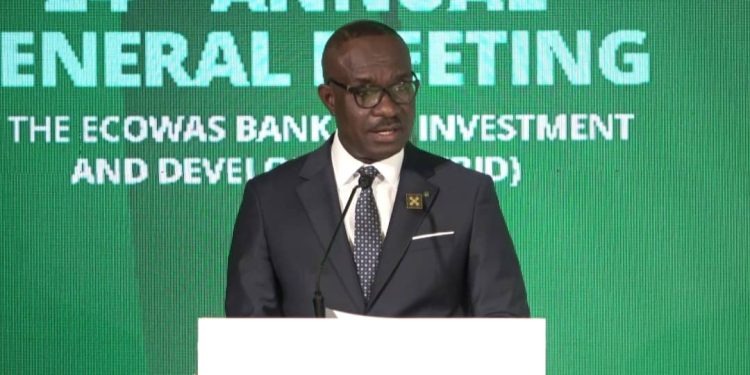

In spite of recent improvements in the country’s macroeconomic indicators, Mr. Mark Baidoo-Aboagye – Chief Executive Officer-Ghana National Chamber of Commerce and Industry (GNCCI) – says this is yet to translate into meaningful relief for businesses, citing structural cost pressures and time-lags in the economy.
He acknowledged that the cedi’s strengthening is beginning to ease the cost of imports, as businesses now require fewer cedis to access foreign exchange.
“There is always a lag. Inflation may be coming down and exchange rates stabilising, but it takes time for these changes to reflect in the cost of doing business,” he explained.

For instance, lending rates, he noted, although reduced from previous highs remain elevated at between 20 and 25 percent – among the highest globally and a major constraint on business growth.
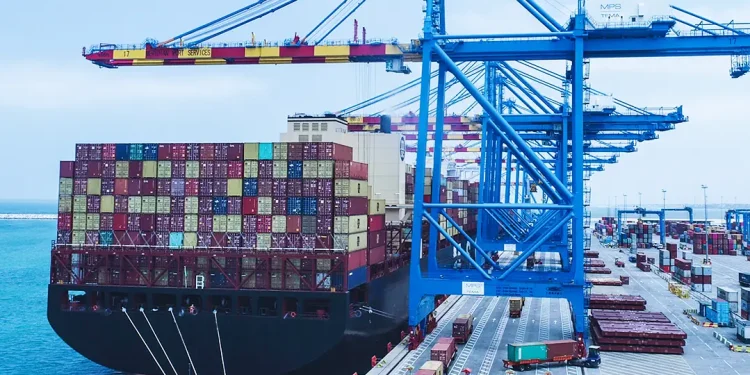
Also, the cost of local production remains significantly high – driven by expensive utilities, taxes and financing costs. In some instances, he noted, imported goods are cheaper than locally produced ones despite additional costs such as freight and port duties.
Even with improvements in inflation and exchange rates, if utility tariffs and taxes remain high businesses will not feel the full benefit, he added.
Therefore, he called for sustained policy efforts to reduce electricity and water tariffs, ease the tax burden on businesses and lower the cost of credit to enable firms translate macroeconomic gains into improved profitability.
Mr. Baidoo-Aboagye warned that Ghana’s economic outlook remains vulnerable to external shocks, particularly global geopolitical developments such as tensions in the Middle East – which could trigger increases in fuel prices and transport costs.
However, he expressed cautious optimism about the economy’s direction, commending government efforts to stabilise the macroeconomic environment while stressing the importance of consistency.
“If these gains are maintained, businesses will begin to feel the full impact.”
The country’s recent macroeconomic gains must be translated into jobs, productivity and sustained economic expansion as stability alone will not insulate the economy from external shocks.
SOURCE: BUSINESS AND FINANCIAL TIMES